You wake up, check your phone, make coffee, and start working indoors. Before you know it, much of your morning has passed without spending meaningful time in natural daylight. Morning light might seem unrelated to sleep, but it helps your body recognize when the day has begun.
Light is one of the main environmental signals that influence your internal clock, which helps regulate when you feel awake and when you become sleepy.
Understanding this connection doesn’t mean you need to wake up at sunrise or follow a strict sunlight schedule.
This guide explains how morning light affects your sleep-wake routine, when exposure may be useful, and how to make daylight part of an ordinary morning safely.
Quick Takeaways
- Morning light helps signal daytime to your internal body clock and can influence sleep-wake timing.
- For people who generally sleep at night, getting natural light after waking is a practical habit to consider.
- There is no universal number of minutes that guarantees better sleep, and morning light cannot replace adequate rest or medical care.
How Morning Light Affects Your Body Clock
What Is Your Circadian Rhythm?
Your body follows internal rhythms that influence sleep, alertness, body temperature, and other daily functions.
One of the most important is your circadian rhythm, an approximately 24-hour biological cycle that helps coordinate periods of activity and rest.
Your internal clock responds to signals from your environment, especially the daily pattern of light and darkness.
According to the National Heart, Lung, and Blood Institute (NHLBI), light is a major environmental signal for adjusting the sleep-wake cycle.
When your daily routine and internal timing are reasonably aligned, falling asleep and waking up at expected times may feel more natural. But circadian timing is only one part of healthy sleep.
How Light Helps Signal Daytime
Specialized light-sensitive cells in your eyes send information about environmental brightness to the brain’s circadian timing system.
This helps your body distinguish biological day from biological night.
Light also influences melatonin, a hormone involved in nighttime signaling. Exposure to sufficiently bright light at certain times can suppress melatonin and affect the timing of your internal clock.
This doesn’t mean that morning sunlight simply increases melatonin or that more light always produces better sleep.
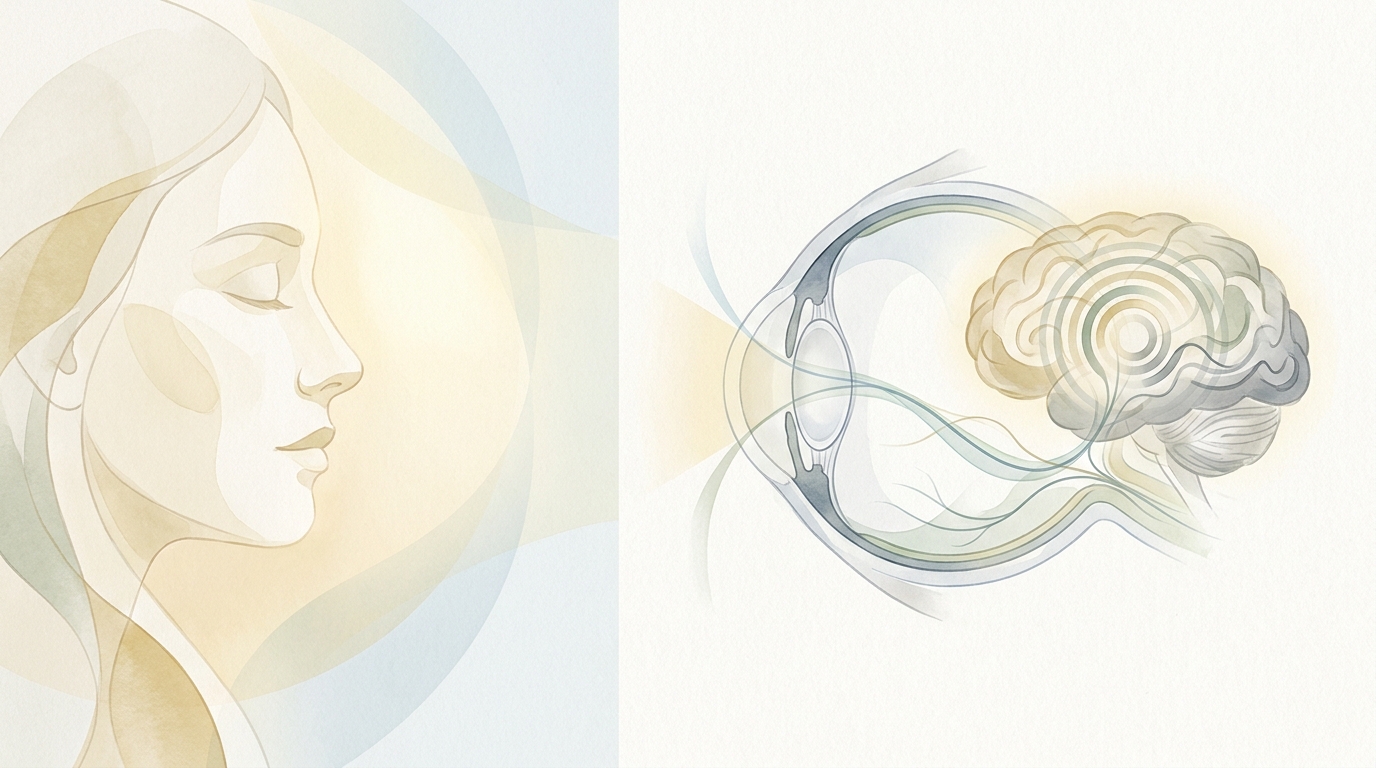
Morning and evening light can have different effects. The CDC’s National Institute for Occupational Safety and Health (NIOSH) explains that, for people who normally sleep at night, bright morning light generally shifts circadian timing earlier, while bright evening light tends to shift it later.
When and How Long Should You Get Morning Light?
The Timing of Light Matters
For someone who generally sleeps at night and wakes during the day, getting natural light around the beginning of their waking period is a reasonable everyday habit.
You do not necessarily need to catch the sunrise.
What matters is the relationship between light exposure and your internal circadian timing, not simply the time displayed on a clock.
For people with conventional nighttime sleep schedules, morning light generally encourages an earlier circadian phase. However, exposure immediately after waking does not produce the same effect for everyone.
The CDC/NIOSH notes that the effects of light can be less predictable during certain hours before a person’s usual waking time.
This distinction matters particularly for night-shift workers, people with significantly delayed sleep schedules, and individuals with circadian rhythm disorders.
For these groups, following general morning-light advice without considering biological timing may be inappropriate. Personalized guidance can help determine whether adjusting light exposure would be useful.
Why There Is No One-Size-Fits-All Duration
You may have seen advice suggesting that everyone needs exactly 10, 15, or 30 minutes of morning sunlight.
Those numbers are not universal guarantees.
The biological effect of light depends on several factors, including its brightness, timing, duration, spectral characteristics, and a person’s previous light exposure.
A bright outdoor environment can provide a different light experience from sitting beside a window or turning on a bedroom lamp.
A 2022 expert consensus published in PLOS Biology offers recommendations for indoor lighting that supports circadian health in healthy adults. However, its technical light-exposure targets should not be converted into a fixed number of outdoor sunlight minutes for everyone.
For everyday use, focus on finding a practical opportunity for natural daylight rather than treating exposure as a timed prescription.
Simple Ways to Make Morning Light Part of Your Routine
Start With an Opportunity After Waking
Building a morning light habit does not require a complicated routine.
Start by noticing how much natural light you typically experience during the first part of your day.
If you usually wake up and immediately begin working in a dim room, consider whether you could spend part of that time somewhere brighter.
Depending on your circumstances, you might:
- Step outside briefly after waking, when weather and safety conditions allow.
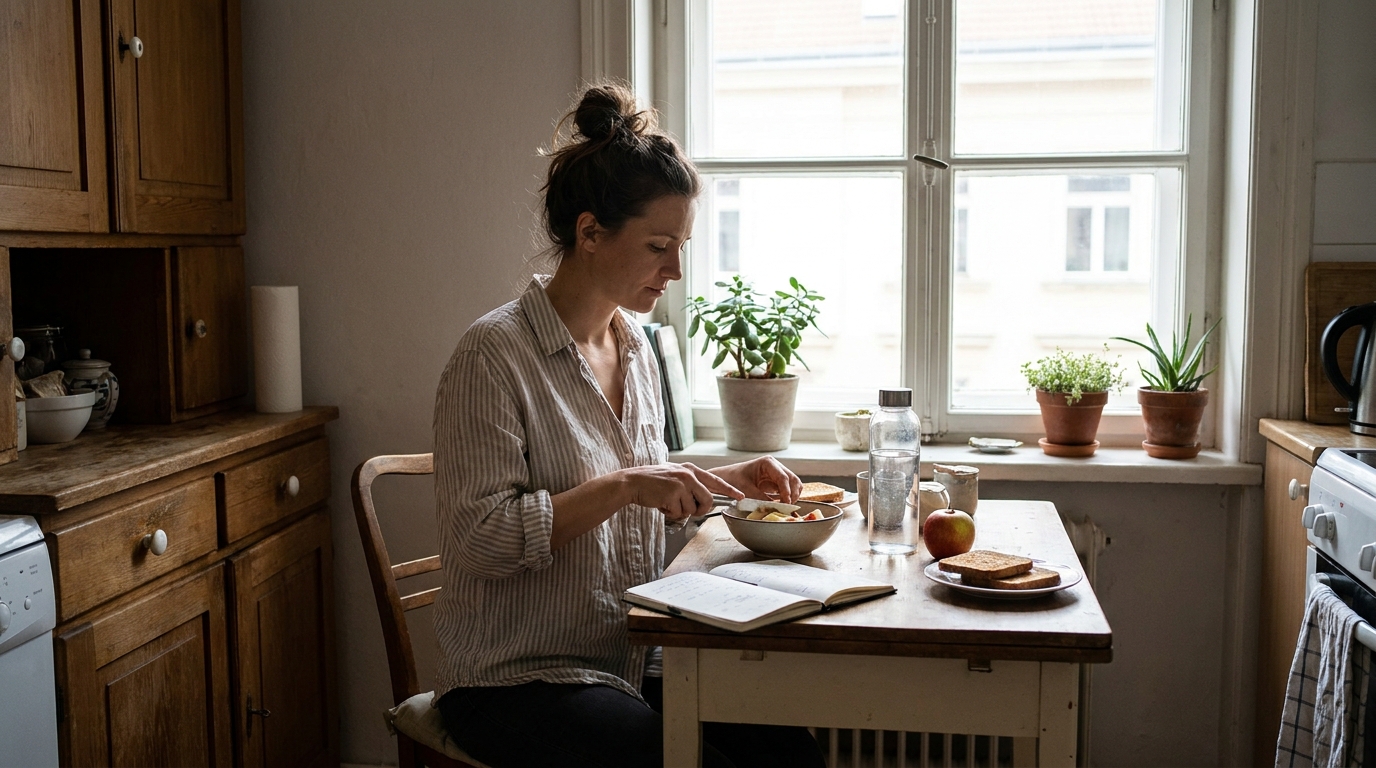
- Enjoy breakfast or coffee in a naturally illuminated area.
- Take a comfortable morning walk if walking is already suitable for you.
- Spend part of your morning near a window when going outdoors is not practical.
These are opportunities, not medical prescriptions.
You do not have to stare at the Sun, expose your skin without protection, or force yourself outdoors during unsafe weather.
The purpose is to incorporate daylight into a routine you can realistically maintain.
Make It Fit Your Everyday Schedule
The most useful routine is one that fits your actual life.
If you work from home, you might move part of your morning activities to a brighter space.
If you commute, you may already have opportunities for daylight during your trip.
If your mornings involve caring for children or relatives, exposure to natural light could happen during an ordinary family activity instead of becoming another task.
And if the weather is unpleasant, you do not need to treat the day as a failure.
Consistency can be useful without becoming rigid. Your exposure will naturally vary with the seasons, weather, work responsibilities, and where you live.
Daylight is also only one part of your daily rhythm. Regular sleep and wake times, adequate sleep, and nighttime lighting deserve attention.
If your schedule is inconsistent, establishing a manageable sleep routine may be a helpful companion to your morning light habit.
READ MORE:
How to Build a Simple Bedtime Routine That Actually Feels Realistic
A Simple Morning Light Checklist
Use this flexible checklist to choose an approach that fits your day.
- Notice your starting point. Do you usually spend the first part of your morning in a dim indoor environment?
- Choose one opportunity. Identify an existing activity that could include natural daylight without adding unnecessary pressure.
- Plan for safety. Consider the weather, your surroundings, and appropriate skin and eye protection.
- Have an alternative. Decide what feels manageable when going outdoors is not practical.
- Observe your routine. Pay attention to the consistency of your wake time, daytime sleepiness, and how manageable the habit feels.
You do not need to complete every item perfectly.
These observations can help you understand your routine, but they cannot establish whether morning light is improving your sleep.
Start with the opportunity that requires the least disruption. The goal is to make daylight a manageable part of daily life.
What If You Cannot Get Outside Every Morning?
Windows, Cloudy Days, and Winter Mornings
Outdoor daylight is often much brighter than typical indoor lighting, but going outside every morning is not realistic for everyone.
Weather, mobility limitations, work schedules, and seasonal daylight patterns can affect what is possible.
Natural light entering through a window still provides visible light that your eyes can detect. However, its brightness depends on the window, weather, orientation, surrounding buildings, and distance from the glass.
It should not be assumed to provide the same circadian effect as being outdoors.
Cloudy days also provide daylight, although the amount and intensity vary.
| Situation | A practical option |
|---|---|
| Cloudy morning | Use available daylight outdoors when conditions are safe. |
| Working from home | Spend part of the morning in a naturally brighter room. |
| Short winter days | Take advantage of daylight when it becomes available. |
| Limited outdoor access | Look for comfortable indoor spaces with natural light. |
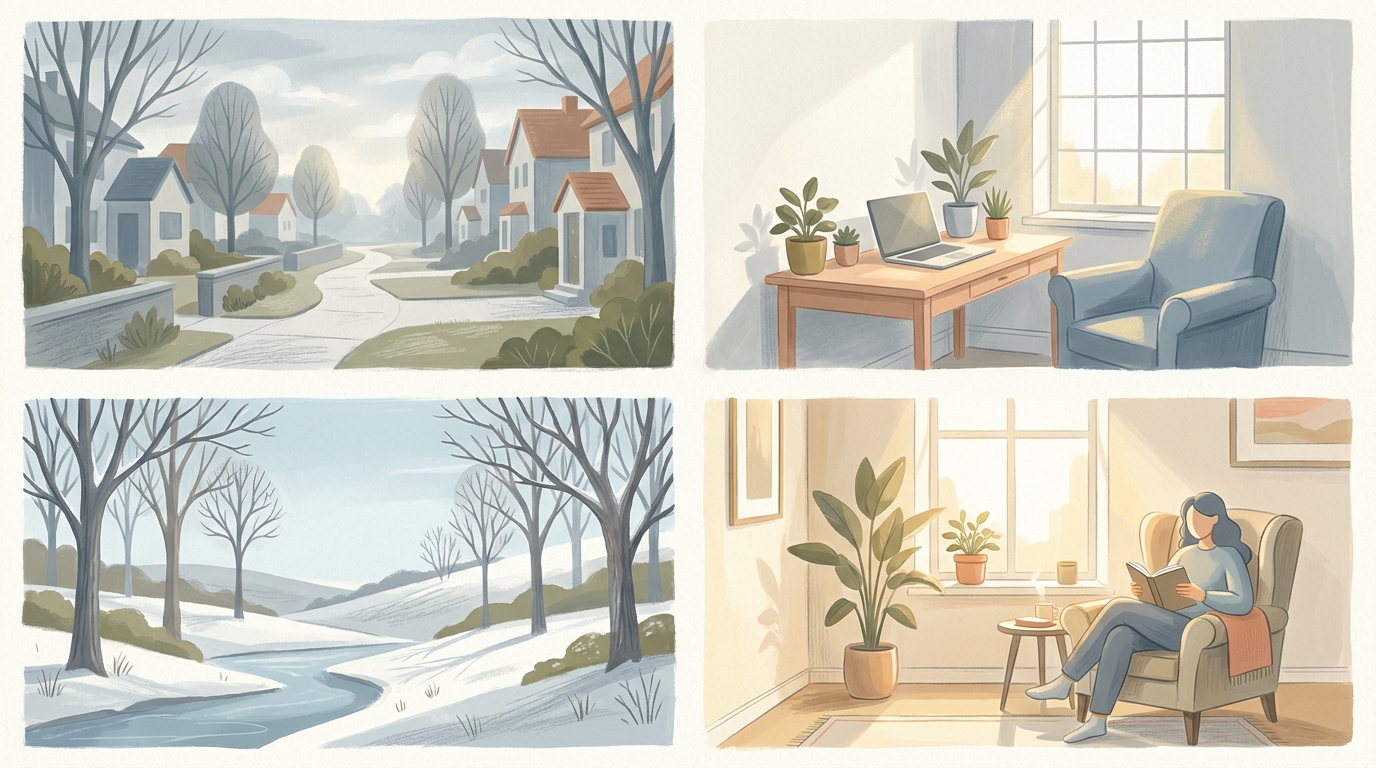
These alternatives may be helpful, but their effects are not necessarily equivalent.
What About Artificial Light?
Artificial lighting also influences circadian rhythms. However, everyday room lighting and clinical light therapy are not interchangeable.
Light therapy uses specifically designed equipment and planned exposure schedules to address particular conditions.
The NHLBI notes that clinicians may recommend light therapy for certain circadian rhythm disorders, with timing selected according to the person’s condition.
The American Academy of Sleep Medicine’s clinical practice guideline also distinguishes between different circadian rhythm disorders and patient groups. Its recommendations do not support assuming that the same light therapy approach is appropriate for everyone.
You do not need to purchase a light therapy lamp to begin a general daylight habit.
If you are considering therapeutic light exposure for a persistent sleep problem, discuss its suitability and timing with a qualified healthcare professional.
What Morning Light Can—and Cannot—Do for Sleep
Potential Benefits Without Guaranteed Results
Morning light can help influence the timing of your internal clock, particularly when your daily schedule follows a conventional nighttime sleep pattern.
Daytime light exposure may also support alertness and contribute to a more consistent pattern of brighter days and darker nights.
A 2025 international expert consensus published in BMJ Public Health reinforces the importance of light for circadian rhythms, sleep, and alertness. It also recognizes important uncertainties in how different patterns of exposure affect individuals.
However, supporting circadian timing is not the same as guaranteeing better sleep quality.
Your sleep is affected by many factors, including stress, health conditions, medications, sleep opportunity, and environmental disturbances.
Experiencing more morning daylight does not automatically mean you will fall asleep faster, sleep longer, or wake up feeling refreshed.
Why Nighttime Habits Still Matter
What happens after sunset matters, too.
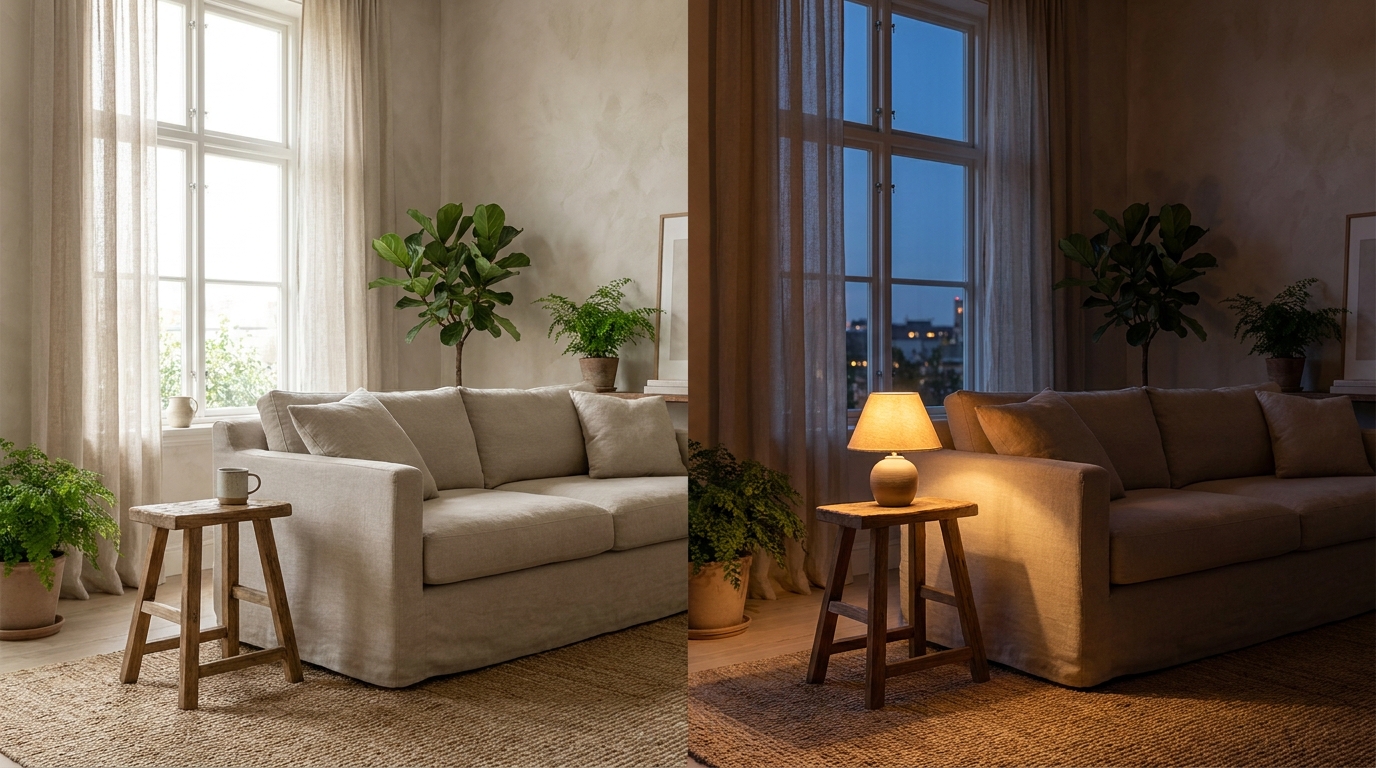
Bright light late in the evening can influence circadian timing and interfere with the body’s nighttime signaling.
The NHLBI recommends managing light exposure as part of a broader sleep routine, which may include getting more daylight and limiting unnecessary artificial light near bedtime.
Maintaining reasonably consistent sleep times and creating a comfortable nighttime environment can complement your approach to morning light.
A sleep-friendly bedroom, for example, may involve reducing disruptive lighting and creating conditions that support rest.
Morning light cannot compensate for routinely getting too little sleep, and it should not be presented as a stand-alone treatment for chronic insomnia.
Safety and When to Seek Professional Guidance
The circadian system responds to light detected by your eyes. You do not need unprotected ultraviolet (UV) exposure to your skin, or to look directly at the Sun, to provide these light signals.
Visible light and UV radiation are different parts of sunlight. The goal of a morning light routine is not to maximize UV exposure.
Never look directly at the Sun.
When spending time outdoors, follow appropriate sun protection practices, including shade, protective clothing, sunscreen, and UV-protective sunglasses as conditions require. The CDC and National Eye Institute provide guidance on protecting your skin and eyes.
Seek medical guidance if you regularly struggle to fall asleep or wake at appropriate times, experience persistent daytime sleepiness, or have sleep problems that interfere with daily life.
Professional advice is particularly important before using therapeutic bright light if you have an eye condition, take light-sensitizing medication, or have a condition such as bipolar disorder. People working night shifts may also need individualized recommendations.
A Practical Place to Start
Morning light is one of the environmental signals that help your body coordinate its daily rhythm.
Understanding its role gives you a practical way to think about your daytime environment without turning sleep into another complicated project.
You do not need an elaborate routine or a strict sunlight target to begin paying attention to it.
Choose one safe, realistic opportunity to experience natural daylight after waking. Let it fit your schedule, adapt when circumstances change, and remember that healthy sleep depends on more than light alone.
Medical Note
This article is for general educational purposes and does not replace individualized medical advice, diagnosis, or treatment. If you experience persistent sleep difficulties, excessive daytime sleepiness, or symptoms of a possible sleep disorder, consult a qualified healthcare professional. Light therapy for a medical condition should be considered with appropriate professional guidance.
Sources
- National Heart, Lung, and Blood Institute (NHLBI). Circadian Rhythm Disorders — Treatment. 2022.
https://www.nhlbi.nih.gov/health/circadian-rhythm-disorders/treatment - Centers for Disease Control and Prevention (CDC), National Institute for Occupational Safety and Health (NIOSH). Effects of Light on Circadian Rhythms. 2020.
https://www.cdc.gov/niosh/work-hour-training-for-nurses/longhours/mod2/19.html - Brown TM, et al. (2022). Recommendations for Daytime, Evening, and Nighttime Indoor Light Exposure to Best Support Physiology, Sleep, and Wakefulness in Healthy Adults. PLOS Biology.
https://doi.org/10.1371/journal.pbio.3001571 - American Academy of Sleep Medicine. (2015). Clinical Practice Guideline for the Treatment of Intrinsic Circadian Rhythm Sleep-Wake Disorders.
https://pmc.ncbi.nlm.nih.gov/articles/PMC4582061/ - Spitschan M, et al. (2025). Evidence-Based Public Health Messaging on the Non-Visual Effects of Ocular Light Exposure: A Modified Delphi Expert Consensus. BMJ Public Health.
https://doi.org/10.1136/bmjph-2025-003205 - Centers for Disease Control and Prevention (CDC). Benefits of Spending Time Outdoors.
https://www.cdc.gov/skin-cancer/outdoors/index.html - National Eye Institute (NEI). Protecting Your Eyes From the Sun’s UV Light.
https://www.nei.nih.gov/research-and-training/research-news/protecting-your-eyes-suns-uv-light - National Heart, Lung, and Blood Institute (NHLBI). Sleep Deprivation and Deficiency.
https://www.nhlbi.nih.gov/health/sleep-deprivation