A restless night can make the next day feel harder, but the connection between sleep and energy is not always as simple as counting hours.
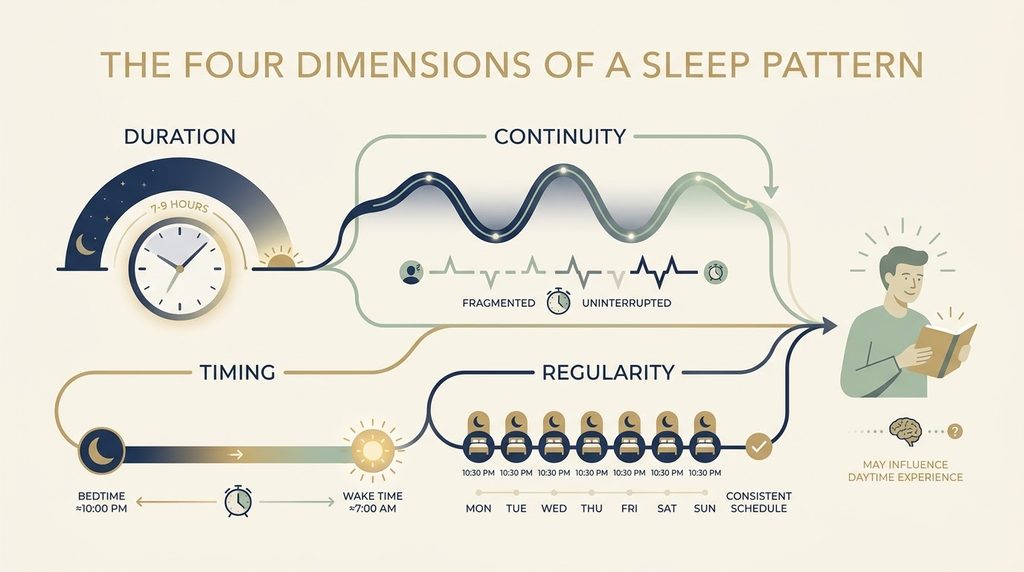
Insufficient or disrupted sleep may make it harder to feel alert, concentrate, and manage everyday tasks the next day. Sleep duration matters, but continuity, timing, and regularity can add important context.
This guide explains how sleep may affect daytime energy, how sleepiness differs from fatigue, and which everyday patterns are worth noticing.
Quick Takeaways
- Sleep may influence daytime alertness, concentration, and perceived energy.
- Duration matters, but sleep quality, continuity, and timing may also shape how rested you feel.
- Sleepiness is not exactly the same as fatigue or low energy.
- A repeated pattern is generally more useful than one difficult morning.
- Persistent fatigue or frequent daytime sleepiness may deserve professional guidance.
How Sleep and Daytime Energy Are Connected
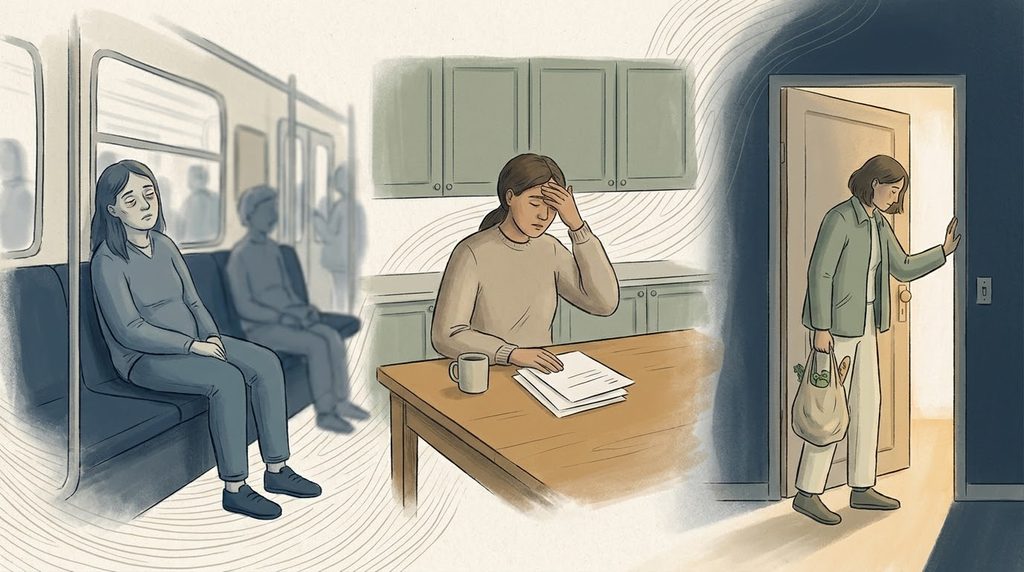
Sleep supports many of the functions you rely on while awake. When you do not get enough sleep—or your sleep is repeatedly disrupted—you may feel less alert, find it harder to concentrate, or need more effort to complete ordinary tasks.
The National Heart, Lung, and Blood Institute notes that sleep deficiency may cause substantial daytime tiredness and interfere with work, school, driving, and social functioning. Too little or poor-quality sleep can also make it harder to focus and think clearly.
What You May Notice After a Difficult Night
After a short or interrupted night, you may notice:
- a stronger urge to sleep;
- slower thinking or difficulty concentrating;
- less patience for demanding tasks;
- reduced motivation or stamina;
- a sense that routine activities require more effort.
These experiences vary. One person may feel very sleepy, while another feels generally drained or mentally foggy.
Why One Night Does Not Tell the Whole Story
A single restless night may affect the next day, but it does not establish the reason for an ongoing energy problem.
Sleep is also not the only factor that can shape how you feel. Stress, daily routines, medications, lifestyle habits, and health concerns may contribute to fatigue or low energy.
Look for repeated patterns rather than assigning too much meaning to one morning.
Sleepiness, Fatigue, and Low Energy Are Not the Same
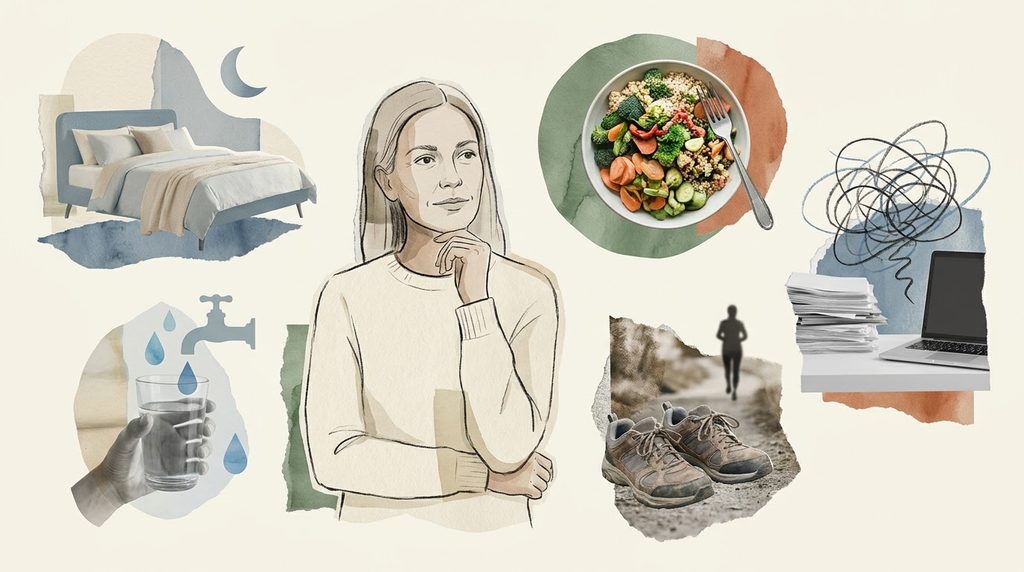
People often use the word “tired” to describe several experiences. Clarifying what you feel can make it easier to notice patterns and describe your concerns to a healthcare professional.
MedlinePlus distinguishes drowsiness from fatigue. Drowsiness means feeling the need to sleep, while fatigue refers to a lack of energy or motivation. The two can occur together, but they are not identical.
Sleepiness
Sleepiness generally means having a strong urge to sleep or difficulty staying awake.
You may notice heavy eyelids, brief dozing, or trouble remaining awake during quiet activities. Excessive drowsiness can become a safety concern when it occurs during activities that require attention.
Fatigue and Low Energy
Fatigue generally refers to weariness, tiredness, or a lack of energy that may interfere with usual activities. Low energy is a broader everyday description of reduced drive or stamina.
These experiences can overlap. They can also have multiple possible contributors, so persistent symptoms deserve a broader look rather than an automatic conclusion about sleep.
Sleepiness, Fatigue, and Low Energy
| Term | Everyday description | What you may notice |
|---|---|---|
| Sleepiness | A strong need to sleep | Heavy eyelids, dozing, difficulty staying awake |
| Fatigue | Weariness or lack of energy that may affect usual activities | Ordinary tasks feel unusually demanding |
| Low energy | A general description of reduced drive or stamina | Less motivation or endurance during the day |
Keep in mind: These experiences can overlap. Low energy is a general description rather than a diagnosis, and this table is not a diagnostic tool.
More Than Hours: Sleep Patterns That May Matter
Healthy sleep involves more than the total number of hours spent in bed. The CDC explains that healthy sleep requires both enough sleep and good sleep quality. It describes quality sleep as uninterrupted and refreshing.
Several parts of your sleep pattern may be worth noticing.
Sleep Duration
Adults ages 18 to 60 are generally advised to get at least seven hours of sleep each day. Recommendations vary somewhat for older age groups, and individual needs can differ.
Duration is important, but it does not answer every question about how rested you feel. Time in bed may include long periods awake or repeated interruptions.
Sleep Continuity
Repeated awakenings may make sleep feel less restorative. The CDC identifies waking repeatedly during the night and feeling tired or sleepy despite enough time for sleep as possible signs of poor sleep quality.
Sleep Timing and Regularity
Keeping sleep and wake times reasonably consistent is part of the CDC’s general guidance for better sleep. That does not require a perfect schedule, and some people—including shift workers, parents, and caregivers—may have less control over when they sleep.
READ MORE:
Track Daily Energy Levels: Find Patterns That Matter
Everyday Energy: A Practical Guide to Feeling More Consistent
How Refreshed You Feel
How refreshed you feel can provide one piece of context, but it does not measure sleep quality or identify why you feel tired.
Frequently waking unrefreshed may be worth discussing with a healthcare professional, especially when it happens alongside persistent fatigue, frequent daytime sleepiness, or other concerns.
A Simple Way to Notice Your Sleep-and-Energy Pattern
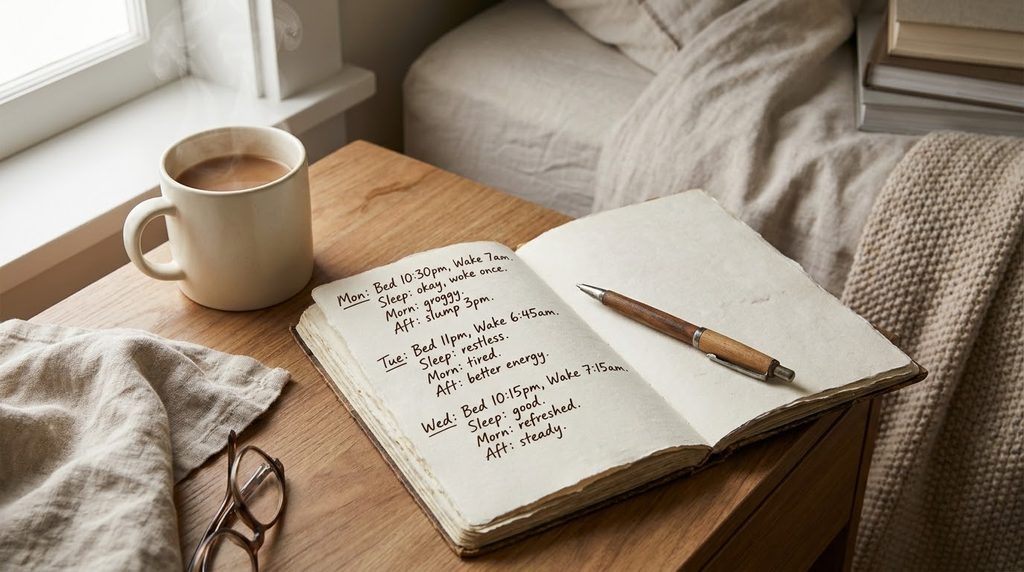
You do not need a wearable, app, or detailed score to begin noticing patterns. A few short notes can provide useful context without turning sleep into another task to perfect.
A Simple Sleep-and-Energy Check-In
- Note your approximate bedtime and wake time.
- Notice whether your sleep felt continuous or interrupted.
- Pay attention to how alert you feel after waking.
- Notice when sleepiness or low energy appears.
- Look for repeated patterns instead of drawing a conclusion from one morning.
Keep the process simple. The goal is to notice patterns, not to create a perfect score or diagnose a sleep problem.
You may find that afternoon sleepiness appears more often after a changing bedtime. You may instead notice that low energy does not follow your sleep pattern closely, suggesting that a broader conversation could be useful.
Small Habits That May Support Better Nights and Steadier Days
Improving sleep does not require rebuilding your entire routine at once. Choose one idea that fits your current schedule.
- Keep sleep and wake times reasonably consistent when possible. A consistent schedule is part of the CDC’s general sleep guidance.
- Notice whether afternoon or evening caffeine seems to affect your sleep. The CDC recommends avoiding caffeine later in the day as part of general sleep guidance.
- Create a short wind-down period. A quiet transition can help separate a busy day from bedtime.
- Make the bedroom comfortable and low-distraction. A dark, quiet, cool, and comfortable environment may support sleep.
Start with one change that feels manageable rather than trying to make every adjustment at once.
When Low Energy May Need a Broader Look
Sleep is only one possible contributor to daytime fatigue or low energy.
Stress, physical activity, medications, health conditions, work schedules, and changes in daily life may also matter. MedlinePlus notes that fatigue can occur in response to lack of sleep, physical activity, emotional stress, medical conditions, treatments, and lifestyle habits.
Avoid trying to identify a medical cause from one symptom or an online checklist. Persistent low energy may require a broader evaluation of your circumstances and health.
When to Talk With a Healthcare Professional
General sleep habits can be useful, but persistent or severe symptoms deserve individualized attention.
Consider speaking with a qualified healthcare professional about:
- fatigue that continues for several weeks or interferes with daily life;
- frequent daytime sleepiness that is difficult to manage;
- difficulty staying awake during activities requiring attention;
- frequent loud snoring, gasping, or breathing that repeatedly stops and restarts during sleep;
- a sudden or unusual change in energy;
- tiredness that occurs alongside other health concerns.
MedlinePlus recommends contacting a healthcare professional when fatigue lasts for several weeks. The NHLBI lists frequent loud snoring, gasping, breathing that starts and stops, and daytime sleepiness among symptoms that should be discussed with a healthcare provider. These signs are reasons to seek guidance, not proof of a diagnosis.
Safety note: If you are struggling to stay awake, avoid driving or other safety-sensitive activities and seek appropriate help.
Frequently Asked Questions
Can poor sleep make you feel low on energy?
Insufficient or poor-quality sleep may contribute to tiredness, reduced alertness, and difficulty concentrating during the day. Low energy can have several possible contributors, however, so sleep should be considered as one part of a broader pattern.
Why am I tired even after getting enough hours of sleep?
Hours are only one dimension of sleep. Repeated awakenings or sleep that does not feel refreshing may also matter. Stress, medications, routine changes, and health concerns can contribute as well.
Is daytime sleepiness the same as fatigue?
Not exactly. Sleepiness means feeling the need to sleep, while fatigue refers more broadly to a lack of energy or motivation. They may happen together, but one does not automatically explain the other.
Start With One Pattern
Sleep can be an important part of how alert and capable you feel during the day, but it is rarely the only factor.
Begin with one manageable observation, such as sleep timing, nighttime interruptions, or morning alertness. Notice how the pattern develops instead of trying to create a perfect routine.
Choose one sleep-and-energy pattern to notice this week, then explore our guides to healthy sleep habits and everyday energy.
Medical note: This article provides general educational information and is not a substitute for individualized medical advice. Speak with a qualified healthcare professional about persistent fatigue, frequent daytime sleepiness, breathing concerns during sleep, medications, or symptoms that interfere with daily life or safety.
Sources
- National Heart, Lung, and Blood Institute — How Sleep Affects Your Health
https://www.nhlbi.nih.gov/health/sleep-deprivation/health-effects - National Heart, Lung, and Blood Institute — What Are Sleep Deprivation and Deficiency?
https://www.nhlbi.nih.gov/health/sleep-deprivation - National Heart, Lung, and Blood Institute — Why Is Sleep Important?
https://www.nhlbi.nih.gov/health/sleep/why-sleep-important - Centers for Disease Control and Prevention — About Sleep
https://www.cdc.gov/sleep/about/index.html - Centers for Disease Control and Prevention — FastStats: Sleep in Adults
https://www.cdc.gov/sleep/data-research/facts-stats/adults-sleep-facts-and-stats.html - Centers for Disease Control and Prevention, NIOSH — Create a Good Sleep Environment
https://www.cdc.gov/niosh/work-hour-training-for-nurses/longhours/mod6/02.html - MedlinePlus — Fatigue
https://medlineplus.gov/fatigue.html - MedlinePlus Medical Encyclopedia — Fatigue
https://medlineplus.gov/ency/article/003088.htm - MedlinePlus Medical Encyclopedia — Drowsiness
https://medlineplus.gov/ency/article/003208.htm - National Heart, Lung, and Blood Institute — Sleep Apnea Symptoms
https://www.nhlbi.nih.gov/health/sleep-apnea/symptoms