Yes, dehydration can make you feel tired. When your body loses more fluid than it takes in, tiredness may appear alongside thirst, dizziness, or urinating less often.
However, tiredness alone does not show that you are dehydrated. Sleep, stress, nutrition, illness, medications, and health conditions can also affect how energetic you feel. Hydration is one factor to consider—not a complete explanation for fatigue.
This guide explains how dehydration may affect energy, which signs are worth noticing together, and when tiredness calls for more than a hydration check-in.
Quick Takeaways
- Dehydration may contribute to tiredness, but fatigue alone cannot identify the cause.
- Thirst, dry mouth, dizziness, and changes in urination can provide useful context.
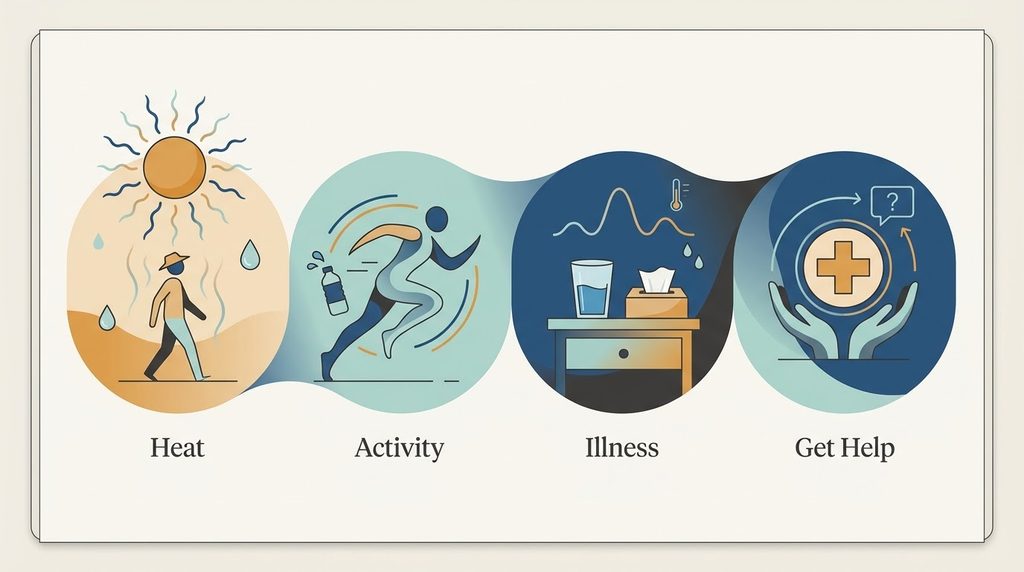
- Heat, physical activity, vomiting, diarrhea, and fever can increase fluid losses.
- Foods and beverages both contribute to total water intake, and individual needs vary.
- Severe, persistent, or worsening symptoms deserve professional attention.
How Dehydration May Affect Energy
Dehydration develops when the body loses more fluid than it replaces. This can happen gradually when you do not drink enough or more quickly with heavy sweating, hot weather, vomiting, diarrhea, or fever.
Feeling tired is one possible symptom. MedlinePlus also lists thirst, dry mouth, reduced urination, darker urine, and dizziness among possible dehydration symptoms in adults.
Research suggests that dehydration may affect fatigue, mood, attention, or working memory in some settings. A controlled study in men found increased fatigue and changes in vigilance and working memory during mild dehydration. Results can vary with the degree of fluid loss, activity, heat, study design, and population, so the findings should not be treated as a universal response.
In everyday life, it is more useful to consider hydration alongside the other factors that may influence energy.
Signs to Notice in Context
Dehydration can involve several possible symptoms, but they are most useful when considered together and in context.
| What you may notice | Context to consider | What it does not tell you |
|---|---|---|
| Tiredness or weakness | Heat, activity, illness, or long gaps without fluids | Fatigue can have many causes |
| Thirst or dry mouth | Sweating, travel, or limited access to drinks | Thirst alone does not show severity |
| Darker urine or less urination | Recent intake, sweating, vomiting, or diarrhea | Urine appearance alone is not a diagnosis |
| Dizziness or headache | Heat, exertion, illness, or other symptoms | These symptoms can have other explanations |

MedlinePlus lists tiredness, thirst, dry mouth, dizziness, darker urine, and reduced urination among possible signs of dehydration. Headache and weakness can also occur with heat exhaustion, a separate heat-related condition associated with excessive loss of water and salt.
Why One Sign Is Not Enough
Fatigue is especially nonspecific. It can follow poor sleep, emotional stress, missed meals, illness, or an unusually demanding day.
Urine changes and thirst may offer context, but neither provides a diagnosis on its own. Instead, consider the broader pattern:
- Have you been sweating more than usual?
- Have you spent time in hot weather?
- Have you had vomiting, diarrhea, or fever?
- Has travel or a busy schedule limited access to drinks?
- Have several possible symptoms appeared together?
When Fluid Needs May Change
There is no single fluid routine that fits every person or every day. Individual requirements may be higher or lower than general Dietary Reference Intake recommendations.
Situations that can change fluid losses or needs include:
- Hot weather or physical work: Sweating increases water and salt loss. Weakness, dizziness, headache, heavy sweating, thirst, or reduced urine output after significant heat exposure may indicate heat-related illness rather than ordinary tiredness.
- Exercise: Activity can increase fluid losses, especially in warm or humid conditions.
- Vomiting, diarrhea, or fever: Illness may increase fluid loss or make it harder to drink normally.
- Travel or busy schedules: A change in routine can reduce access to drinks or make hydration easier to overlook.
- Pregnancy, breastfeeding, medical conditions, or medications: Individual guidance may be needed.
Keep in mind: Some people have been advised to limit fluids or follow an individualized medical plan. Do not change that plan or adjust medication without speaking with a qualified healthcare professional.
Practical Ways to Support Daily Hydration
Supporting everyday hydration does not require chasing a perfect number every hour. A more practical approach is to make fluids accessible and adjust when your routine changes.
Make Fluids Part of the Day
Keep an appropriate drink within reach during work, errands, or travel. One option is to include fluids with meals or regular breaks so they are already part of the day.
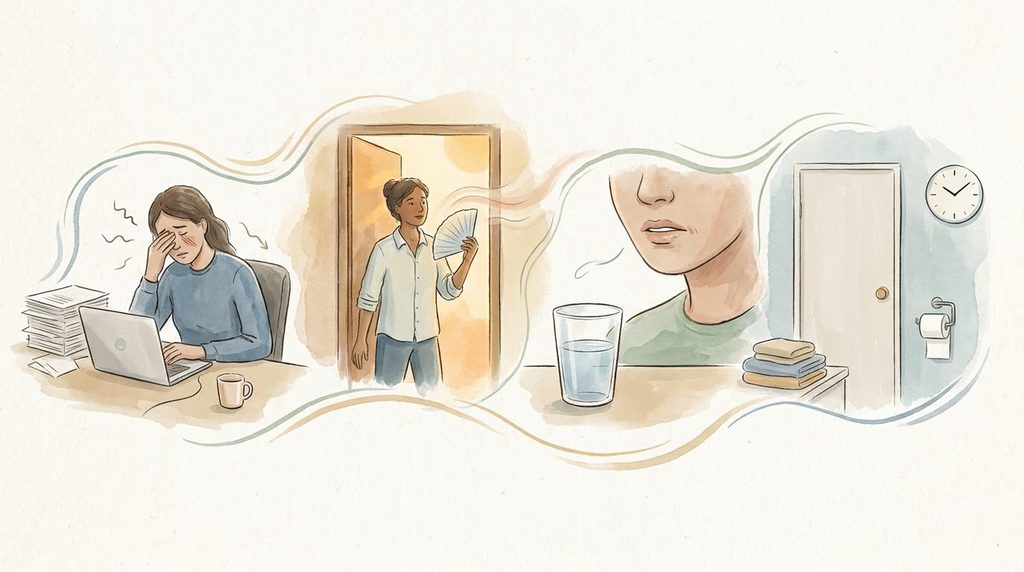
When more heat or activity is expected, plan access in advance. The goal is not to drink as much as possible, but to avoid unintentionally falling behind.
Remember That Foods and Beverages Both Count
Total water intake includes drinking water, water from other beverages, and water naturally present in food. Foods with a higher water content can therefore contribute to overall intake.
Plain water is a convenient option, but counting only glasses of water does not provide a complete picture of daily fluid intake.
Use Context Instead of Chasing a Perfect Number
Fluid needs can vary with age, body size, activity, climate, diet, life stage, and health circumstances. General reference values are not an identical prescription for everyone.
A quiet day indoors may differ from an outdoor shift, long walk, illness, or day of travel. People with medical conditions, fluid restrictions, or medication-related concerns should follow individualized professional guidance.
READ MORE:
The Sleep and Energy Connection: Why Better Nights Support Better Days
A Simple Hydration Check-In
- Have heat, activity, travel, or illness changed my usual routine?
- Have I had regular access to fluids today?
- Am I noticing several possible clues rather than one isolated symptom?
- Are my symptoms improving, continuing, or getting worse?
- Have I been advised to limit fluids or follow a specific medical plan?
This is a context check, not a dehydration test.
When Tiredness Deserves a Closer Look
A more consistent hydration routine may help when low fluid intake contributes to fatigue. It will not address every reason someone feels tired.
Consider speaking with a healthcare professional when fatigue:
- persists without a clear explanation;
- repeatedly interferes with work, driving, exercise, or daily responsibilities;
- continues despite regular sleep, meals, and fluid access;
- occurs with other persistent or concerning symptoms;
- begins after a medication change or during an illness.
Confusion, loss of consciousness, no urination, rapid breathing, a rapid heartbeat, or signs of shock can accompany severe dehydration and require prompt medical attention.
When to get help: Seek prompt medical care for confusion, fainting, lack of urination, rapid breathing, a rapid heartbeat, or severe or worsening symptoms. Significant heat exposure with weakness, dizziness, heavy sweating, headache, or reduced urine output also deserves prompt attention.
Frequently Asked Questions
Can dehydration make you sleepy?
Dehydration may contribute to tiredness, reduced alertness, or difficulty concentrating in some situations. Feeling sleepy is not specific to hydration, however, and may also relate to sleep loss, illness, medications, or other factors.
Will drinking water make fatigue go away?
It may help when inadequate fluid intake is contributing to how you feel. It will not necessarily improve fatigue caused by poor sleep, illness, medication effects, nutritional concerns, or other health conditions.
A temporary response to drinking fluids should not be treated as proof of a diagnosis.
Does food count toward hydration?
Yes. Total water intake includes moisture from food as well as water and other beverages. How much food contributes varies with a person’s diet.
What to Remember
Dehydration can contribute to tiredness, but it is only one possible factor. Look at the broader pattern, including recent heat, physical activity, illness, access to fluids, and symptoms that appear together.
Making fluids easier to access is a manageable place to start. Ongoing, severe, or unexplained fatigue should not automatically be attributed to dehydration.
Choose one simple way to make fluids easier to access during your day. For a broader overview, explore our practical guide to the everyday factors that may influence energy.
Medical note: This article provides general educational information and is not a substitute for individualized medical advice. Speak with a qualified healthcare professional about persistent or severe fatigue, medical conditions, medications, fluid restrictions, or concerns related to illness or heat exposure.
Sources
- MedlinePlus — Dehydration
Used for: common dehydration symptoms in adults.
URL: https://medlineplus.gov/dehydration.html - MedlinePlus Medical Encyclopedia — Dehydration
Used for: signs associated with severe dehydration.
URL: https://medlineplus.gov/ency/article/000982.htm - CDC/NIOSH — Heat-related Illnesses
Used for: heat exhaustion, excessive water and salt loss, and heat-related symptoms.
URL: https://www.cdc.gov/niosh/heat-stress/about/illnesses.html - USDA National Agricultural Library — DRI Calculator for Healthcare Professionals
Used for: variation between individual requirements and general DRI recommendations.
URL: https://www.nal.usda.gov/human-nutrition-and-food-safety/dri-calculator - Ganio et al. — Mild Dehydration Impairs Cognitive Performance and Mood of Men
Used for: fatigue, vigilance, and working-memory findings under controlled study conditions.
URL: https://pubmed.ncbi.nlm.nih.gov/21736786/