Healthy aging is not about following a perfect routine or trying to stay young. It is about paying attention to the habits and health needs that may support mobility, everyday activities and well-being over time.
Movement is an important part of the picture, but it is not the only one. Strength, balance, nourishing food, sleep, social connection and preventive care can all shape how a person feels and functions from day to day. National Institute on Aging guidance addresses these connected parts of aging well rather than presenting one habit as a complete solution.
Healthy aging habits also need to be realistic. Health, abilities, schedules, resources and priorities vary. Instead of trying to improve everything at once, it may be more useful to understand the main foundations and choose a practical place to begin.
Quick Takeaways
- Healthy aging involves physical, mental and social well-being—not simply trying to avoid getting older.
- Federal guidance recommends aerobic, muscle-strengthening and balance activities for older adults, adapted to individual abilities.
- Food, hydration, sleep and meaningful social contact also deserve attention.
- A small change that fits daily life may be more sustainable than a complete routine overhaul.
- Falls, persistent pain, mobility changes, memory concerns or other symptoms that interfere with daily life are reasons to seek professional guidance.
What Does Healthy Aging Mean?
Healthy aging can mean supporting your ability to participate in daily life as your needs and circumstances change. That might include moving around your home, preparing meals, maintaining relationships, managing health needs or continuing activities that matter to you.
It does not mean that everyone will have the same abilities or follow the same routine. Genetics, access to health care, medical conditions, physical surroundings, social environments and personal circumstances can all influence how people age.
Healthy Aging Is Not About Staying Young
Growing older is not a problem that needs to be fixed. Healthy habits may support health and mobility, but they do not guarantee protection from illness, disability or cognitive changes.
A more realistic approach is to notice what supports your life now and adjust your routine as your health, abilities and priorities evolve. NIA guidance notes that many common assumptions about aging are inaccurate and that lifestyle choices may help people preserve health and mobility as they age.
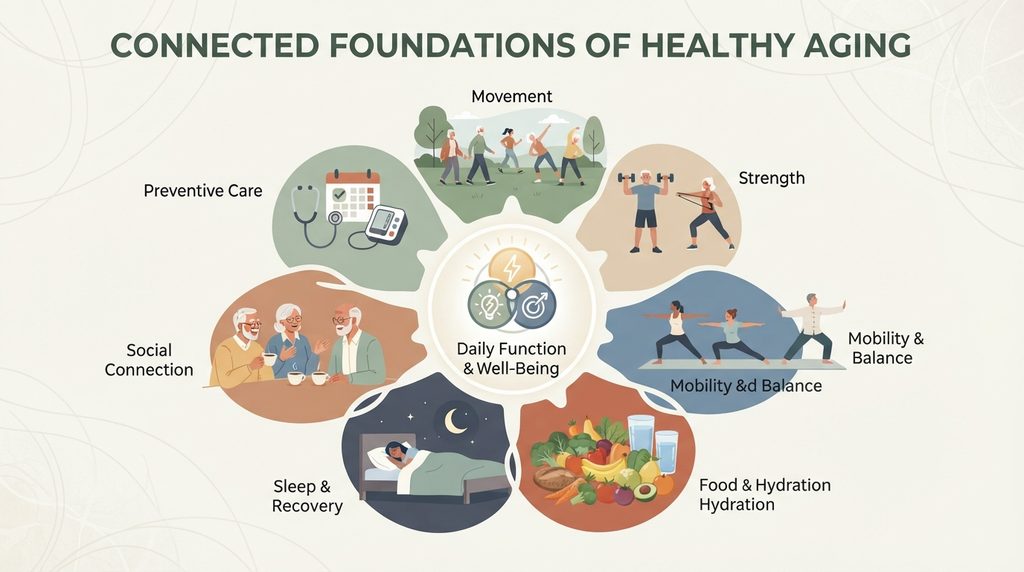
The Everyday Foundations of Healthy Aging
Keep Your Body Moving
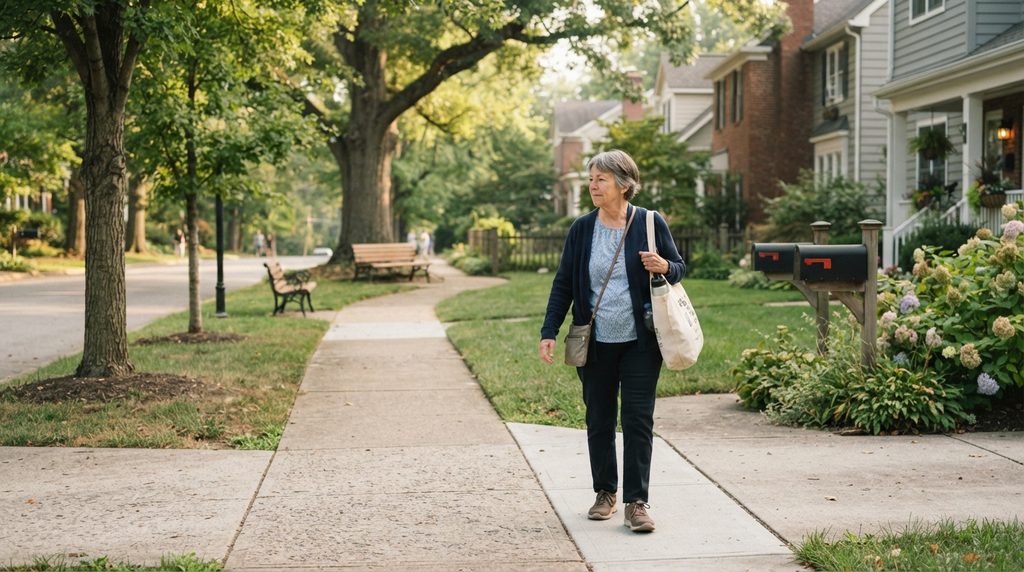
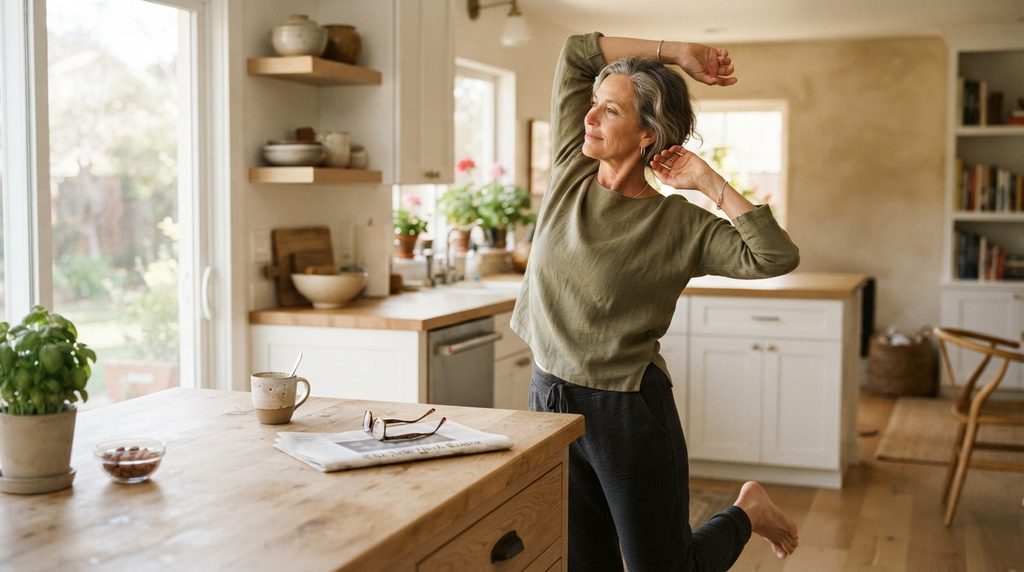
Regular movement can include structured exercise, but it can also include walking, gardening, dancing, household tasks and other activities that fit your interests and capacity.
For adults age 65 and older, federal guidance recommends at least 150 minutes of moderate-intensity aerobic activity each week, muscle-strengthening activity on at least two days, and activities that improve balance. People who cannot meet those amounts are encouraged to be as active as their health and abilities allow.
These are general targets, not a requirement to do everything at once. Activity can be spread across the week, and shorter periods may offer a more practical starting point.
Build and Maintain Strength
Strength supports ordinary tasks such as standing up from a chair, carrying groceries, climbing stairs and moving objects around the home.
Muscle-strengthening activities may involve weights, resistance bands, body weight or other forms of resistance. Federal guidance recommends working the major muscle groups on at least two days each week.
The appropriate activity depends on experience, mobility and health. More difficulty is not automatically better. Controlled movement and gradual progress are more useful than copying someone else’s routine.
Pain, significant mobility limitations or uncertainty about what is appropriate are reasons to ask a qualified health care professional for individualized guidance.
Support Mobility and Balance
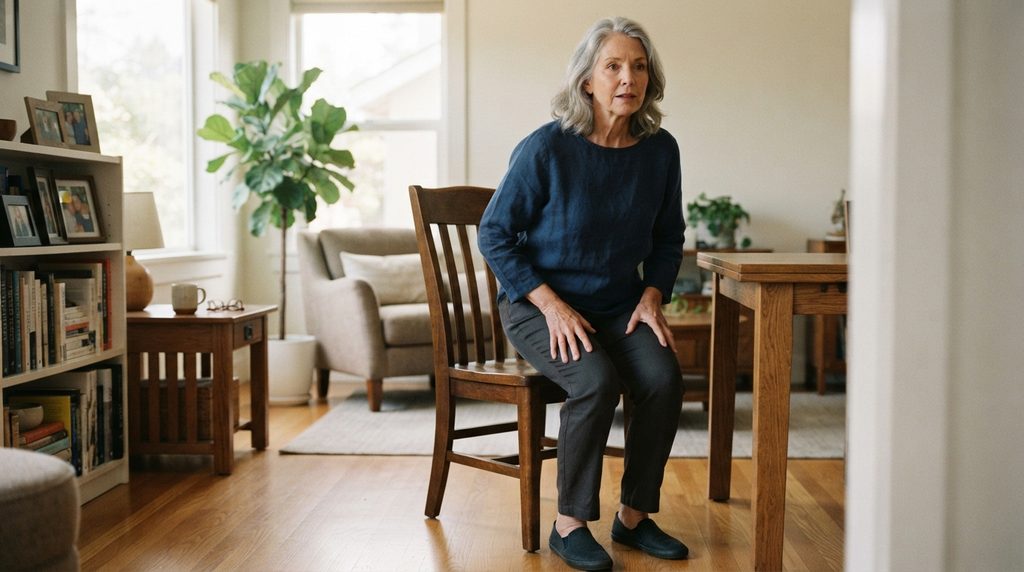
Mobility is not limited to walking long distances. It can include turning, reaching, changing position, navigating steps and moving through familiar environments.
Balance activities are included in federal physical activity guidance for older adults. A broader fall-risk approach may also involve strength, vision, medication review and attention to hazards in the home.
A fall, repeated near falls or a noticeable change in balance are reasons to discuss fall risk with a health care professional. The CDC’s STEADI initiative provides resources for identifying and addressing fall risk in older adults.
Eat and Drink in Ways That Support Daily Needs
A healthy eating pattern does not need to be complicated or rigid. General guidance emphasizes variety across food groups and nutrient-dense choices that help provide vitamins, minerals and other nutrients.
Regular access to fluids also matters. Some older adults face practical barriers to eating and drinking well, including difficulty shopping, preparing food, chewing or managing changes in appetite. Individual nutrition and fluid needs can also be affected by health conditions and medications.
Significant changes in appetite, weight, swallowing or eating ability should be discussed with a qualified health care professional.
READ MORE:
Make Sleep and Recovery Part of the Routine
Older adults generally need about seven to nine hours of sleep each night, although sleep timing and patterns may change with age. Adequate sleep supports physical health, mental health and overall well-being.
A regular sleep-wake schedule, a comfortable bedroom and a calming wind-down routine may help make sleep more consistent. Daytime routines may also influence how easily you settle into sleep.
Occasional poor sleep is common. Persistent difficulty falling asleep, staying asleep or functioning during the day deserves professional attention. The CDC recommends talking with a health care provider when sleep problems continue.
Stay Socially Connected
Social connection can take many forms. It might involve family, friends, neighbors, a faith community, a hobby group, volunteer work or regular conversations by phone or video.
Social isolation means having relatively few contacts or sources of support. Loneliness is the distressing feeling of being disconnected, and a person can experience one without the other.
The National Institute on Aging reports that loneliness and social isolation are associated with physical and mental health concerns. This does not mean that a particular amount of social activity guarantees protection from illness.
The goal is not to fill a calendar. One meaningful and comfortable form of contact may be more realistic than forcing frequent social events that do not fit your personality or circumstances.
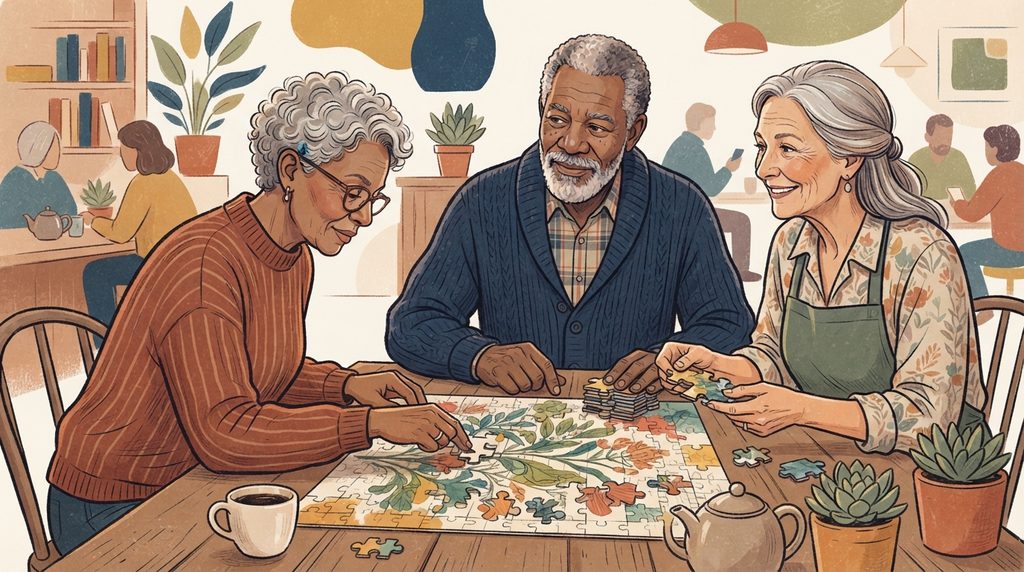
Pay Attention to Cognitive and Emotional Well-Being
Cognitive health includes the ability to think, learn and remember. It may be influenced by physical health, sleep, medications, mood, social circumstances and medical conditions.
Physical activity, learning and meaningful activities can be part of a broader approach to cognitive and emotional well-being. However, no food, puzzle, exercise or social habit guarantees protection from dementia.
Some mild forgetfulness can occur with age. More serious or disruptive changes may have several possible causes and deserve evaluation. Dementia is not considered a normal part of aging, and memory problems that interfere with everyday tasks should be discussed with a health care professional.
Emotional health matters as well. Persistent sadness, anxiety, loss of interest or difficulty coping should not simply be dismissed as an unavoidable part of growing older.
Keep Up With Preventive Care
Everyday habits do not replace appropriate medical, dental, vision or hearing care.
Preventive care may include checkups, screenings, vaccines and counseling, depending on individual needs and current guidance.
Preparing one or two questions before an appointment can make the conversation more useful. Keeping an up-to-date medication list—including nonprescription medicines and supplements—can also help a health care professional understand the broader picture.
Rather than relying on a universal online checklist, ask which preventive services and follow-up schedule apply to your health history and circumstances.
How the Foundations Work Together
Healthy aging habits do not operate in separate compartments.
Poor sleep may make movement feel harder. Limited mobility can make it more difficult to shop, cook or participate in social activities. Low energy may affect both activity and meal preparation. Social activities can add movement and purpose to the week, while preventive care may help identify barriers that require more than a lifestyle adjustment.
The goal is not to optimize every area. It is to notice where a realistic change could make everyday life easier.
Healthy Aging Foundations at a Glance
| Area | Why it may matter | A manageable first step |
|---|---|---|
| Movement | Supports regular activity and participation in daily life | Add a short walk or another suitable period of movement |
| Strength | Helps with tasks such as standing, carrying and climbing | Ask about an appropriate resistance activity |
| Mobility and balance | Support movement through everyday environments | Notice where movement feels difficult and consider appropriate guidance |
| Food and hydration | Help meet everyday nutritional and fluid needs | Add one nutrient-dense food or make fluids easier to reach |
| Sleep | Supports physical and mental well-being | Keep a more consistent wake-up time |
| Social connection | Can support social and emotional well-being | Contact one person or join one meaningful activity |
| Preventive care | Helps address changing health needs | Write down one question for your next appointment |
Start With One Manageable Step
A broad topic becomes easier to manage when you choose one area instead of trying to improve everything at once.
Start here: Choose one area that feels useful and realistic. You do not need to change your entire routine at once.
A Simple Starting Process
- Notice what feels difficult now.
Perhaps you feel stiff after sitting, frequently skip lunch or have trouble winding down at night. - Choose one area to focus on.
Avoid turning the goal into a complete lifestyle redesign. - Define a small first step.
“Move more” is vague. “Walk to the end of the block after lunch when the weather allows” is easier to understand. - Connect it to an existing routine.
A new habit may be easier to remember when it follows something you already do. - Pay attention to how it works.
Notice whether the step fits your energy, schedule, mobility and environment. - Adjust as needed.
A smaller version may be more useful than abandoning the idea completely.
The right starting point is personal. Someone who has been inactive may focus on a few comfortable minutes of movement. Another person may prioritize sleep, meal planning or reconnecting with a friend.
A Simple Healthy Aging Check-In
- Am I moving in ways that fit my abilities?
- Do any activities in my week challenge my strength?
- Have I noticed changes in balance or mobility?
- Are meals and fluids supporting my daily needs?
- Is sleep affecting how I feel or function during the day?
- Do I have meaningful social contact?
- Are there symptoms or changes I should discuss with a professional?
This is a reflection tool, not a medical or fall-risk assessment.
When General Guidance Is Not Enough
Lifestyle guidance has limits. A new symptom or change in function may need assessment rather than another general wellness tip.
Consider speaking with a qualified health care professional about:
- a fall or repeated near falls;
- persistent or worsening pain;
- a noticeable change in balance or walking;
- increasing difficulty with everyday activities;
- sleep problems that continue and affect the day;
- unexpected changes in appetite or weight;
- new or worsening memory, mood or behavior concerns;
- uncertainty about whether a physical activity is appropriate.
When to get help: Speak with a qualified health care professional if pain, falls, mobility changes, persistent sleep problems, memory concerns or other symptoms interfere with daily life.
Frequently Asked Questions
What is the most important habit for healthy aging?
There is no single most important habit for everyone. Movement, strength, food, sleep, social connection and appropriate health care all matter. The most useful starting point depends on your needs, abilities and everyday routine.
Is it too late to become more active as you get older?
Physical activity can be adapted for different abilities and starting points. Federal guidance advises older adults who cannot meet the full recommendations to be as active as their health and abilities allow.
Start gradually and seek professional guidance when pain, a medical condition, a history of falls or another limitation may affect safety.
How can you support mobility as you age?
Regular movement, muscle-strengthening and balance activities can all be part of a broader mobility routine. Vision care, medication review and a safer home environment may also be relevant.
A fall, repeated near falls or a noticeable decline in walking or balance deserves individualized guidance.
Does healthy aging require a strict diet?
No single diet is required for everyone. General guidance emphasizes a varied eating pattern with nutrient-dense foods from different food groups. Health conditions, medications, appetite and chewing ability can all affect individual needs.
Can healthy habits prevent dementia?
No habit can guarantee that a person will avoid dementia. Physical activity, nourishing food, sleep, social connection and mentally engaging activities may be part of a broader healthy routine, but they are not a proven prevention plan for an individual.
New or worsening memory concerns should be evaluated by a qualified health care professional.
When should you talk with a health care professional?
Seek guidance when symptoms persist, worsen or interfere with safe daily activities. Examples include falls, pain, major mobility changes, continuing sleep difficulties, unexpected weight changes and concerns involving memory or mood.
Building a Routine That Can Change With You
Everyday habits for aging well do not have to form a perfect program. Movement, strength, food, sleep, connection and health care work together, but individual priorities can change over time.
A useful routine can evolve as your abilities, health needs and circumstances change.
Choose one area to explore first, then visit our Healthy Aging guides for practical ways to go deeper.
Medical note: This article provides general educational information and is not a substitute for individualized medical advice. Speak with a qualified health care professional before making significant changes to physical activity, especially if you have pain, a medical condition, mobility limitations, a history of falls or other health concerns.
Sources
- National Institute on Aging — What Do We Know About Healthy Aging?
Used for: the multidimensional healthy-aging framework and general lifestyle context.
URL: https://www.nia.nih.gov/health/healthy-aging/what-do-we-know-about-healthy-aging - National Institute on Aging — Tips To Boost Your Health as You Age
Used for: practical healthy-aging areas such as movement, nutritious food, learning, health care and social connection.
URL: https://www.nia.nih.gov/health/healthy-aging/tips-boost-your-health-you-age - National Institute on Aging — The Journey to Healthy Aging: Lessons From Around the World
Used for: factors that can influence aging, including genetics, health care access and social and physical environments.
URL: https://www.nia.nih.gov/research/blog/2024/12/journey-healthy-aging-lessons-around-world - National Institute on Aging — 10 Common Misconceptions About Aging
Used for: realistic framing of aging, health and mobility.
URL: https://www.nia.nih.gov/health/healthy-aging/10-common-misconceptions-about-aging - Centers for Disease Control and Prevention — Older Adult Activity: An Overview
Used for: aerobic, muscle-strengthening and balance recommendations for adults age 65 and older.
URL: https://www.cdc.gov/physical-activity-basics/guidelines/older-adults.html - Centers for Disease Control and Prevention — Older Adults: Adding Activity Recommendations
Used for: weekly activity targets and ways to distribute activity.
URL: https://www.cdc.gov/physical-activity-basics/adding-older-adults/index.html - U.S. Department of Health and Human Services — Physical Activity Guidelines for Americans, 2nd Edition
Used for: federal guidance on multicomponent physical activity for older adults.
URL: https://www.cdc.gov/physical-activity/media/pdfs/Physical_Activity_Guidelines_2nd_edition.pdf - Centers for Disease Control and Prevention — STEADI Patient and Caregiver Resources
Used for: fall-risk awareness and professional assessment.
URL: https://www.cdc.gov/steadi/patient-resources/index.html - National Institute on Aging — Healthy Eating, Nutrition, and Diet
Used for: healthy eating and practical nutrition considerations for older adults.
URL: https://www.nia.nih.gov/health/healthy-eating-nutrition-and-diet - National Institute on Aging — Sleep and Older Adults
Used for: sleep duration and sleep considerations for older adults.
URL: https://www.nia.nih.gov/health/sleep/sleep-and-older-adults - Centers for Disease Control and Prevention — About Sleep
Used for: sleep quality and guidance to seek help for continuing sleep problems.
URL: https://www.cdc.gov/sleep/about/index.html - National Institute on Aging — Loneliness and Social Isolation: Tips for Staying Connected
Used for: definitions, associations and practical context related to social connection.
URL: https://www.nia.nih.gov/health/loneliness-and-social-isolation/loneliness-and-social-isolation-tips-staying-connected - National Institute on Aging — Memory Problems, Forgetfulness, and Aging
Used for: memory changes and reasons to seek professional evaluation.
URL: https://www.nia.nih.gov/health/memory-loss-and-forgetfulness/memory-problems-forgetfulness-and-aging - Centers for Medicare & Medicaid Services — Preventive Care
Used for: checkups, screenings, vaccines and patient counseling.
URL: https://www.cms.gov/priorities/innovation/key-concepts/preventive-care