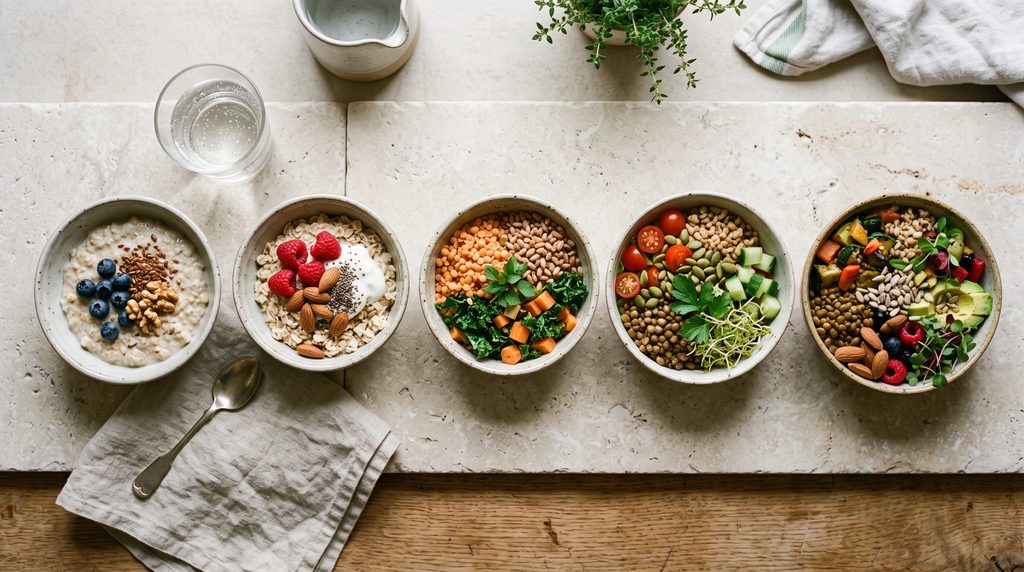
A healthy digestive routine does not need to follow a perfect schedule. It is a flexible combination of everyday habits, including varied foods, fiber-rich options, suitable fluids, regular movement, and attention to changes in your usual patterns.
The goal is not to create a treatment plan or guarantee symptom relief. A realistic routine simply gives supportive habits a place in your day while leaving room for your schedule, budget, food preferences, health needs, and changing circumstances.
Quick Takeaways
- A digestive routine should be flexible enough to fit everyday life.
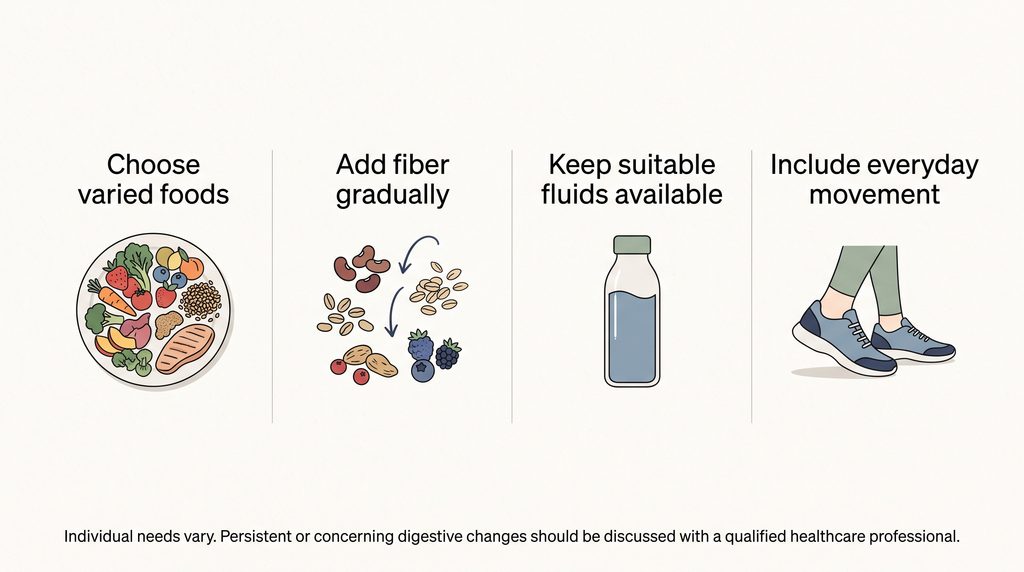
- Varied foods, fiber, fluids, and movement can all play a role.
- Official guidance recommends adding fiber gradually rather than making a large change at once.
- A daily bowel movement is not necessary for everyone; changes from your usual pattern may matter more.
- Persistent, worsening, or concerning symptoms deserve professional guidance.
What Makes a Digestive Routine Healthy?
Digestion involves moving food through the gastrointestinal tract, breaking it down, absorbing nutrients, and forming waste. Because several organs and processes are involved, no single food or habit controls the entire system.
A useful digestive health routine is therefore a pattern, not a cure. It brings together manageable habits that can be repeated without demanding perfection.
A Routine Is a Pattern, Not a Strict Timetable
Some consistency can make habits easier to remember, but every meal does not need to happen at the same time.
A daytime office worker, an overnight worker, a caregiver, and someone who travels regularly may all need different meal patterns. The most practical routine is one that helps you eat adequately and include supportive habits without creating unnecessary stress.
Individual Needs and Bowel Patterns Vary
Bowel habits differ from person to person. Having a bowel movement every day is not essential, and a change from your usual pattern may be more meaningful than comparison with someone else.
Frequency is only one part of the picture. Comfort, stool consistency, difficulty passing stool, medications, medical conditions, and changes from your usual pattern may also be relevant.
The Main Parts of an Everyday Digestive Routine
Build Meals Around Variety, Not Perfection
A varied eating pattern allows different foods to contribute different nutrients and types of fiber.
Depending on your preferences, meals may include vegetables, fruit, beans, lentils, whole grains, nuts, seeds, dairy foods, eggs, seafood, poultry, meat, or plant-based alternatives.
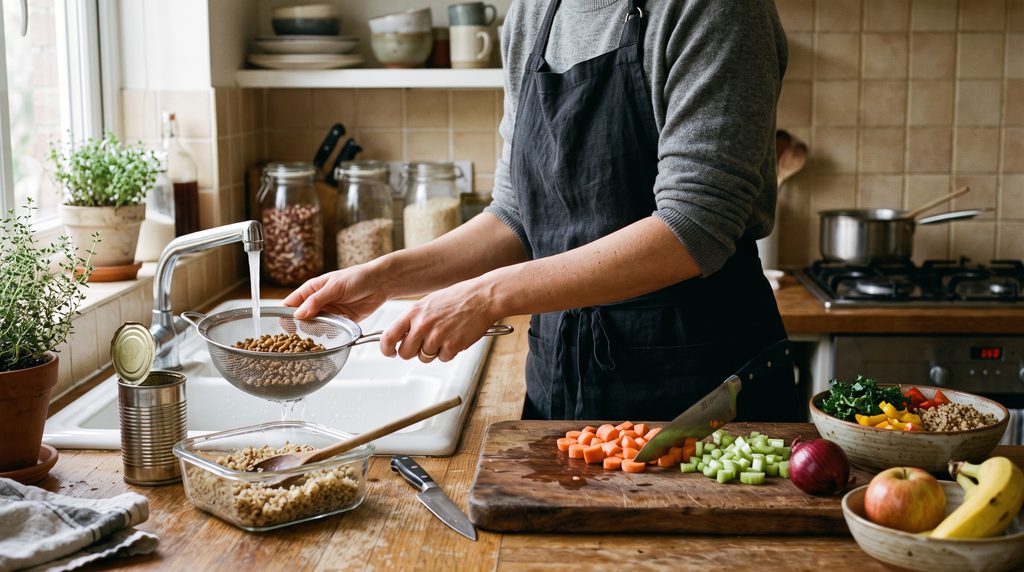
Variety can also be affordable and familiar. Frozen vegetables, canned beans, oats, brown rice, fruit, and family recipes can all fit into a practical routine.
Include Fiber-Rich Foods Gradually
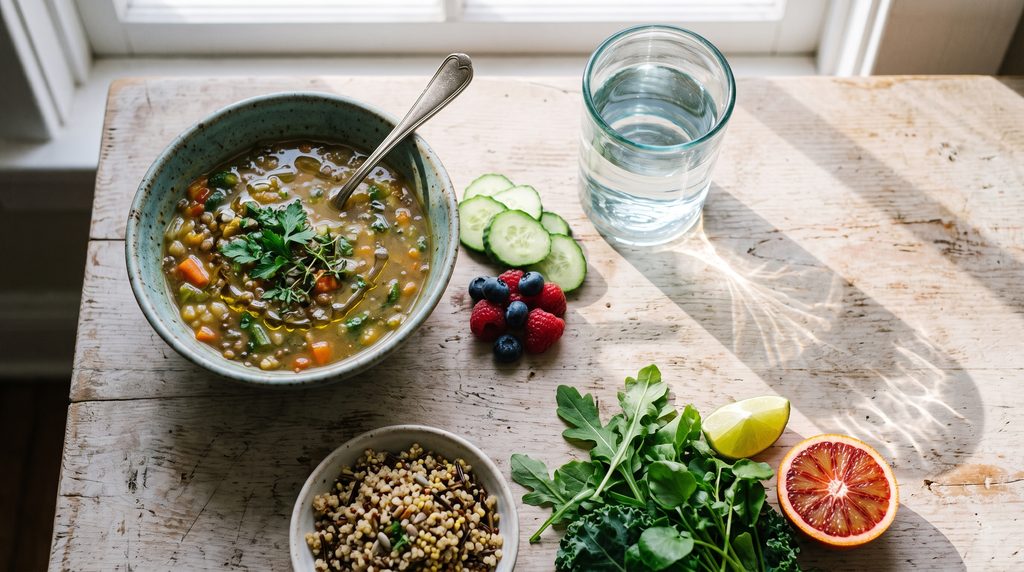
Fiber is found in plant foods such as whole grains, legumes, fruits, vegetables, nuts, and seeds. It plays a role in stool consistency and bowel function, although different types of fiber may affect people differently.
General guidance summarized by the National Institute of Diabetes and Digestive and Kidney Diseases places adult fiber needs at about 22 to 34 grams per day, depending on age and sex. This is not an individual prescription, and people with digestive conditions or significant dietary restrictions may need personalized advice.
Keep in mind: Increasing fiber quickly may cause digestive discomfort for some people. Add fiber-rich foods gradually and discuss substantial dietary changes with a qualified healthcare professional when needed.
Make Fluids Part of the Day
Fluids are especially relevant when fiber intake increases. NIDDK guidance for constipation advises drinking enough liquids to help fiber work better.
There is no single fluid target that suits everyone. Needs can vary with health, activity, body size, climate, pregnancy, and medications.
A practical step is to keep water or another suitable drink available during the day. People who have been advised to restrict fluids because of a medical condition should follow their healthcare professional’s guidance instead of general wellness advice.
Create a Meal Pattern That Fits Your Day
Meals can act as simple anchors for other habits. Breakfast might remind you to fill a water bottle, lunch may be an easy place to include beans or vegetables, and an evening meal might be followed by a walk or another manageable form of movement.
When possible, allow enough time to notice comfort and fullness. There is no need to count a set number of chews, and eating more slowly should not be presented as a treatment for reflux, bloating, or another condition.
Include Everyday Movement
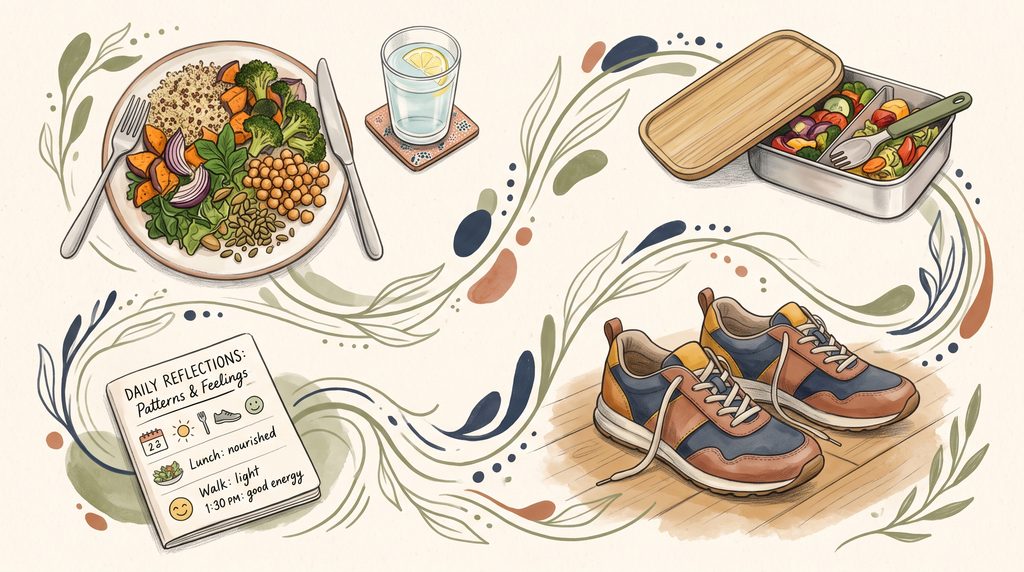
Movement is part of general wellness. Official constipation guidance also includes physical activity alongside food and fluid habits, although movement should not be treated as a solution for every digestive concern.
Walking, gardening, household tasks, active transportation, or brief movement breaks may be more realistic than a formal workout.
Choose activities that suit your abilities and any medical or mobility guidance you have received.
READ MORE:
Hydration and Digestion: Why Fluids Matter
Eating Slowly: A Small Habit That May Support Comfortable Digestion
Everyday Elements of a Healthy Digestive Routine
| Element | Why It May Matter | A Realistic First Step |
|---|---|---|
| Food variety | Different foods provide different nutrients and types of fiber. | Add one plant food you already enjoy to a familiar meal. |
| Fiber-rich foods | Fiber plays a role in stool consistency and bowel function. | Increase it gradually rather than changing everything at once. |
| Fluids | Liquids are especially relevant when fiber intake increases. | Keep a suitable drink within easy reach during the day. |
| Meal pattern | A flexible pattern can make habits easier to repeat. | Choose one meal that can serve as a practical anchor. |
| Movement | Activity is part of general wellness and constipation self-care guidance. | Add a manageable form of movement when it fits your day. |
| Pattern awareness | Changes from your usual bowel habits may deserve attention. | Notice recurring changes without trying to diagnose them yourself. |
How These Habits Can Fit Into a Real Day
A routine may begin by making one or two habits easier to repeat.
For example, you might include oatmeal or fruit with a morning meal, add beans or vegetables to lunch, and keep a suitable drink available while working. Later in the day, a short walk or an active household task may provide a practical form of movement.
The details can change from day to day. Travel, shift work, family responsibilities, appetite, and health needs may affect when and what you eat.
What matters is creating a few habits that remain manageable when life changes.
How to Start Without Changing Everything at Once
- Notice the main source of friction. Perhaps meals feel rushed, fluids are easy to forget, or fiber-rich foods rarely appear.
- Choose one manageable habit. Avoid rebuilding your entire routine in one week.
- Make the step specific. “Add beans to lunch twice this week” is easier to act on than “eat healthier.”
- Repeat the habit when practical. Consistency should support your life, not control it.
- Notice recurring patterns. Observe changes without treating them as a diagnosis.
- Adjust when needed. A useful routine can change with your schedule and needs.
Start with one manageable area rather than trying to improve every part of your routine at once.
Supplements are not required to build a basic digestive routine. Anyone considering one for a particular concern should discuss individual needs, medications, and health conditions with a qualified healthcare professional.
When to Seek Medical Guidance
General habits should not be used to explain away symptoms that persist, worsen, or interfere with eating and daily life.
Contact a healthcare professional if your bowel habits change or digestive symptoms continue.
When to seek medical guidance: NIDDK advises people with constipation to see a doctor right away if constipation occurs with rectal bleeding, blood in the stool, constant abdominal pain, inability to pass gas, vomiting, fever, lower back pain, or unintentional weight loss.
These signs should not be managed only through changes to food, fluids, or movement.
A Simple Digestive Routine Check-In
- Do my meals include some variety across the week?
- Do I regularly include fiber-rich foods that I tolerate?
- Am I making suitable fluids available during the day?
- Is a manageable form of movement part of my routine?
- Am I changing one habit at a time?
- Do persistent or worsening symptoms need professional guidance?
This checklist is not a test or a measure of gut health. It is simply a way to identify a practical starting point.
Frequently Asked Questions
Does a digestive routine need a strict schedule?
No. A reasonably consistent pattern can make habits easier to repeat, but it can also adapt to work, travel, family responsibilities, appetite, and individual needs.
Do you need to have a bowel movement every day?
Not necessarily. A daily bowel movement is not essential for everyone. Changes from your usual pattern, painful stools, or persistent symptoms may be reasons to contact a healthcare professional.
How can you increase fiber gradually?
Add modest amounts of familiar fiber-rich foods instead of making several major changes at once. Include suitable fluids and adjust according to comfort and any guidance you have received from a qualified healthcare professional.
Start With One Manageable Habit
A healthy digestive routine is less about following a perfect plan and more about building a few realistic habits you can repeat.
Varied foods, gradual fiber changes, suitable fluids, everyday movement, and attention to your usual patterns can all be part of that approach. Begin with the area that feels most manageable and adjust as your needs change.
Choose one manageable part of your routine to work on first.
Medical note: This article provides general educational information and is not a substitute for individualized medical advice. Talk with a qualified healthcare professional about persistent or worsening digestive symptoms, changes in bowel habits, medical conditions, medications, or significant dietary changes.
Sources
- National Institute of Diabetes and Digestive and Kidney Diseases — Your Digestive System & How It Works
https://www.niddk.nih.gov/health-information/digestive-diseases/digestive-system-how-it-works - National Institute of Diabetes and Digestive and Kidney Diseases — Eating, Diet, & Nutrition for Constipation
https://www.niddk.nih.gov/health-information/digestive-diseases/constipation/eating-diet-nutrition - National Institute of Diabetes and Digestive and Kidney Diseases — Symptoms & Causes of Constipation
https://www.niddk.nih.gov/health-information/digestive-diseases/constipation/symptoms-causes - MedlinePlus — Constipation
https://medlineplus.gov/constipation.html - MedlinePlus — Constipation: Self-Care
https://medlineplus.gov/ency/patientinstructions/000120.htm - Dietary Guidelines for Americans — Current Edition
https://www.dietaryguidelines.gov/